

Every home tells a story, and the right seating often writes its most memorable chapter. Designer chairs for living room interiors have become one of the fastest ways to transform an ordinary space into something worth talking about. Whether you’re redoing an entire sitting area or simply looking for one striking piece, the chair you choose sets the tone for the whole room. From sculptural silhouettes to rich upholstery, luxury chairs for living room settings do more than offer a place to sit — they act as functional art.
This guide walks through everything you need to know before making that decision, including how to match a chair to your space, which materials age best, and how to avoid common styling mistakes.
What Makes Designer Chairs for Living Room Spaces Worth the Investment?
Good design rarely happens by accident. Designer chairs for living room use are built with intention — every curve, joint, and stitch is considered, not mass-produced. Unlike standard furniture, these pieces are often crafted in smaller batches with attention to proportion, balance, and how the chair interacts with light and space around it.
The investment pays off in a few clear ways:
- Longevity — solid wood frames and premium upholstery outlast trend-driven furniture by years
- Visual impact — a well-placed chair can anchor an entire room’s design language
- Comfort engineering — ergonomic shaping means the chair looks good and feels good
- Resale and heirloom value — quality pieces often appreciate rather than depreciate over time
How Do You Choose the Right Designer Chairs for Living Room Layouts?
Choosing designer chairs for living room layouts comes down to three questions: how much space you have, what mood you want to create, and how the chair will be used day to day. A reading nook calls for something enveloping and soft, while an entryway-adjacent living room might benefit from a sleeker, more sculptural form.
Before deciding, walk through this checklist:
- Measure the available floor space, including clearance for walking paths
- Decide whether the chair should match or contrast with existing furniture
- Consider natural light — darker upholstery can absorb light in dim rooms
- Think about maintenance — leather, boucle, and linen all age differently
- Test proportions with painter’s tape on the floor before committing
Designer Chairs for Living Room: Styles That Define Modern Interiors
Not all statement chairs speak the same design language, which is exactly what makes them interesting. Designer living room chairs today range from clean-lined minimalism to bold, sculptural forms that double as conversation starters.
For those exploring options, the chairs collection offers a good starting point for comparing silhouettes side by side. A few standout approaches worth considering:
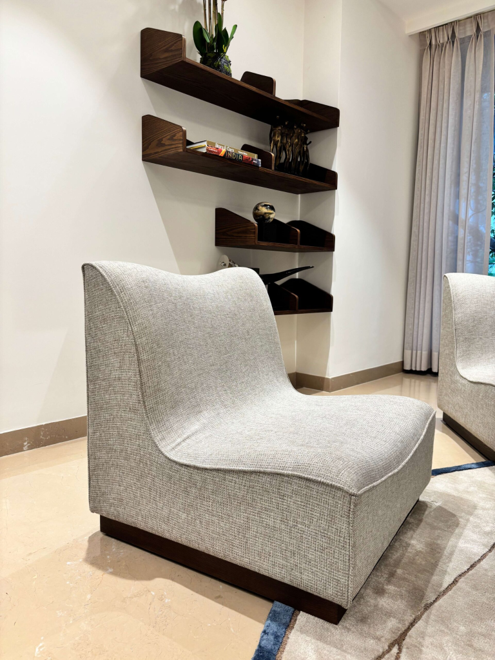
- The Arc chair leans into fluid, curved lines that soften a room’s overall geometry
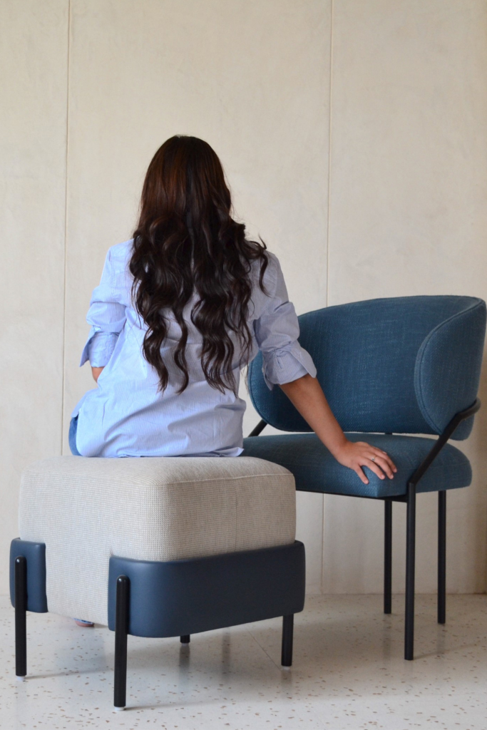
- The Beau chair balances classic proportions with a refined, tailored finish
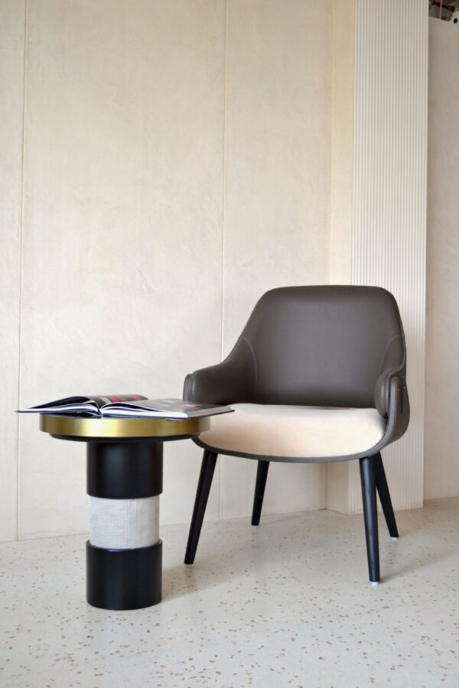
- The Czarina chair brings a bolder, more sculptural presence for rooms that can handle a strong focal point.
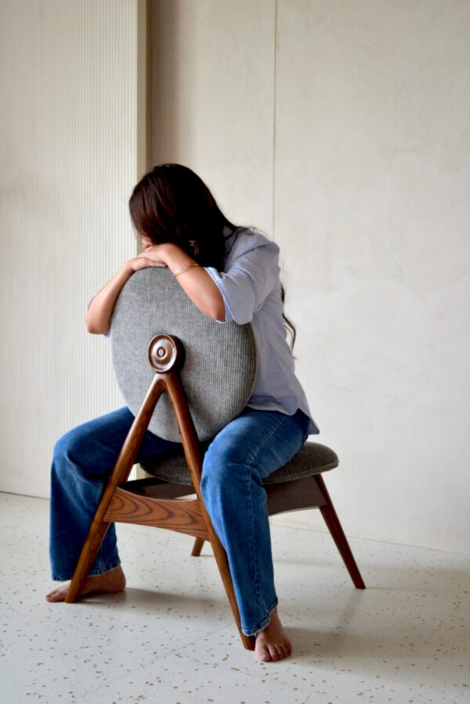
- Model 725 offers a more structured, architectural profile for contemporary spaces
Each of these approaches works differently depending on room size, existing color palette, and how much visual weight you want the piece to carry.
Materials and Craftsmanship Behind Luxury Chairs for Living Room Interiors
Material choice is where a chair’s personality really comes through. Luxury chairs for living room settings typically rely on solid wood framing — walnut, oak, or ash are common choices for their strength and grain character — paired with upholstery that can range from performance fabrics to full-grain leather.
At White Ash Studio, the focus stays on pairing durable frames with upholstery that holds its shape and color over years of daily use, rather than chasing short-lived trends. Boucle and textured weaves currently dominate the space for their tactile warmth, while leather continues to be favored for chairs that need to handle heavier daily use.
Tips for Designer Living Room Chairs
Even the most beautiful chair can feel out of place if it’s positioned poorly. A few placement principles tend to hold true across most layouts:
- Angle the chair slightly toward the room’s main conversation area rather than squaring it off
- Leave at least 30 inches of walking clearance around the piece
- Pair a single statement chair with a smaller side table to keep it from feeling isolated
- Use two chairs symmetrically flanking a fireplace or window for a more formal, balanced look
Designer living room chairs work best when they feel like a natural extension of the room, not an afterthought bolted on at the end.
Color and Upholstery Choices for a Statement Chair
Color is often the deciding factor between a chair that blends in and one that truly stands out. Neutral tones — cream, taupe, warm grey — offer flexibility and pair easily with changing decor, while jewel tones or deep greens and burgundies bring a more editorial, high-impact feel.
If the rest of the room leans minimal, a single chair in a saturated color can become the visual anchor without overwhelming the space. In rooms that are already busy with pattern or color, a quieter neutral chair often works harder by giving the eye somewhere to rest.
Why Choose White Ash Studio for Your Next Statement Chair
Choosing a chair is ultimately a personal decision, but working with a team that understands proportion, material behavior, and finish quality makes the process far less overwhelming. White Ash Studio designs each piece with an eye toward both aesthetics and everyday durability, so the chair you choose today still feels right years from now.
Ready to find your statement piece? Browse the full collection or contact us to place your order today.
For regular updates, visit our Facebook and Instagram profiles.
FAQs
- What are designer chairs for living room spaces best used for?
Ans: They work as both functional seating and a design focal point, often placed near windows, reading corners, or as an accent beside a sofa to elevate the room’s overall look. - How much should I budget for a statement chair?
Ans: Pricing varies widely by material and craftsmanship, but well-made pieces typically cost more upfront while offering significantly longer usable life than mass-market alternatives. - What upholstery lasts longest in daily use?
Ans: Performance fabrics and full-grain leather tend to outlast delicate textiles, resisting wear, fading, and staining better in high-traffic living rooms. - Can one chair really change a room’s look?
Ans: Yes — a well-chosen chair with distinct shape, color, or texture often becomes the room’s focal point, pulling the rest of the design together visually. - How do I know if a chair will fit my space?
Ans: Measure your floor area and mark the chair’s footprint with tape beforehand, leaving enough clearance for walking paths and nearby furniture.